PHOENIX-OoC project at the 28th International Symposium on Advances in Extraction Technologies (ExTech2026)
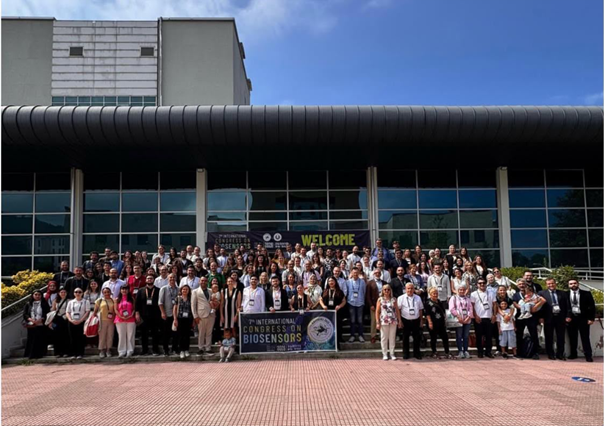
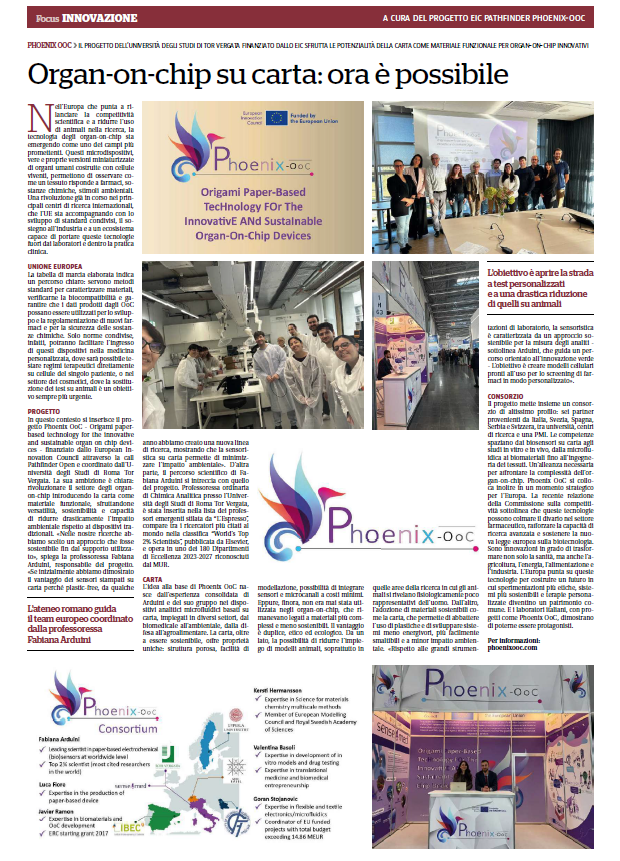
From 6 to 9 July 2026, researchers from the University of Rome Tor Vergata (UNITOV) represented the PHOENIX-OoC project at the 28th International Symposium on Advances in Extraction Technologies (ExTech2026), held in Gembloux, Belgium.
Hosted by Gembloux Agro-Bio Tech, University of Liège, ExTech2026 brought together more than 200 researchers, analytical chemists, technology developers, instrument manufacturers, and industry representatives from around the world. The scientific programme covered recent advances in sample preparation and extraction technologies, with a particular focus on green analytical chemistry, microextraction, automation, miniaturised analytical systems, direct mass spectrometry, metabolomics, environmental and food analysis, and sustainable analytical workflows.
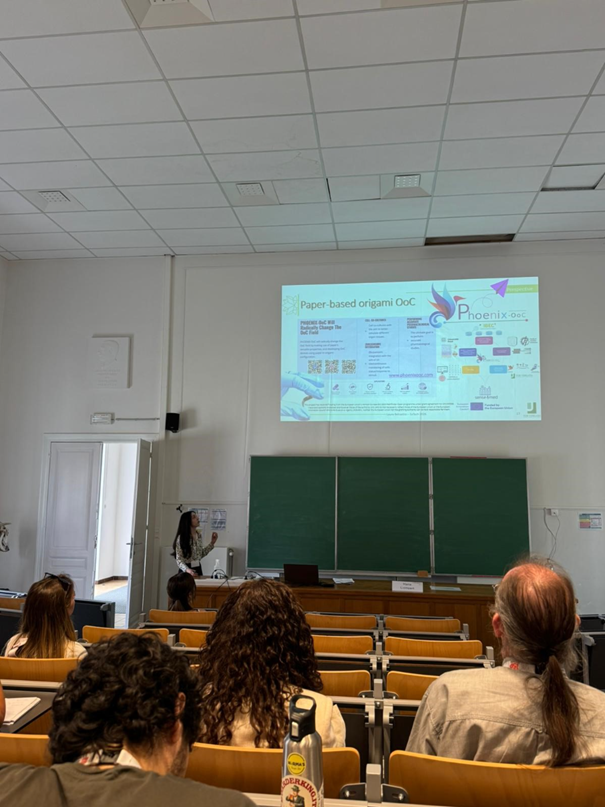
Laura Belcastro from UNITOV contributed an oral presentation entitled “Unconventional microfluidics for complex environments: from flower-shaped soil samplers to origami Organ-on-Chip platforms”. The presentation explored the development of unconventional microfluidic systems for applications ranging from environmental sampling to Organ-on-Chip platforms. Particular attention was given to paper-based analytical devices and the integration of screen-printed electrodes for in situ sampling and continuous monitoring. Within this context, the PHOENIX-OoC approach was presented as an example of how sustainable paper-based microfluidics and electrochemical sensing can be combined to develop robust and innovative platforms for biomedical research and diagnostics.
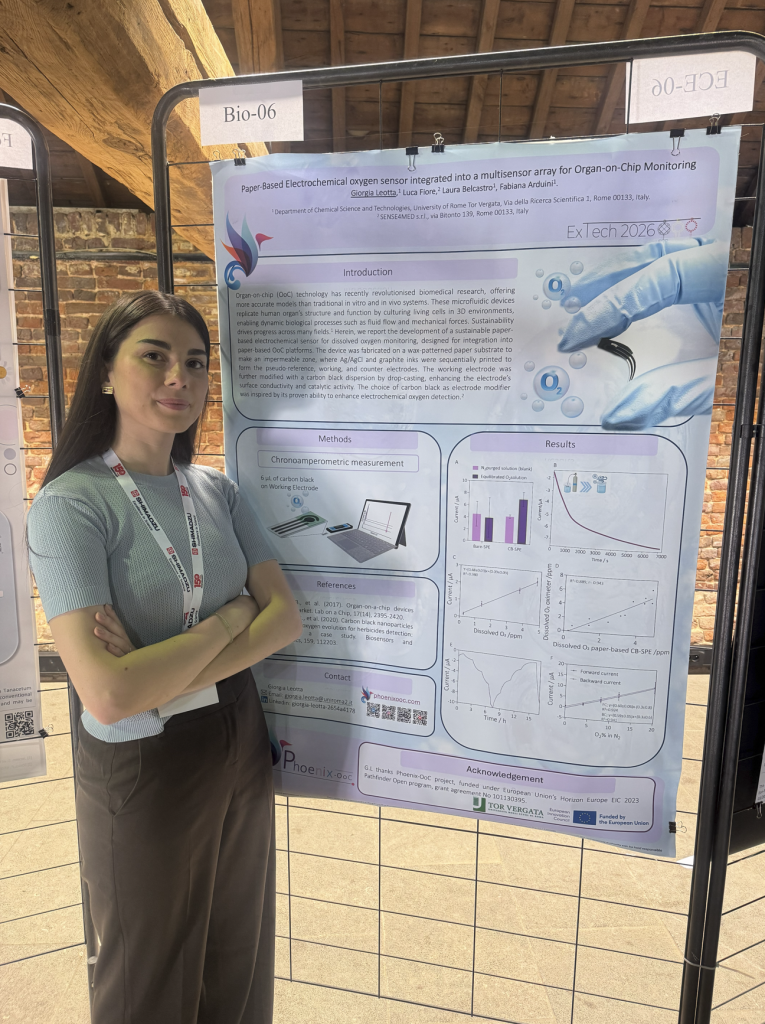
Giorgia Leotta from UNITOV presented the poster “Paper-Based Electrochemical Oxygen Sensor Integrated into a Multisensor Array for Organ-on-a-Chip Monitoring”. The work focused on the development of a paper-based electrochemical sensor for dissolved oxygen monitoring within the PHOENIX-OoC platform. Preliminary results demonstrated promising performance in terms of signal stability, reproducibility, continuous oxygen monitoring, and long-term operational stability. The study also highlighted the potential of integrating low-cost and sustainable electrochemical sensors into Organ-on-Chip systems for real-time monitoring of key physiological parameters.
Participation in ExTech2026 provided an important opportunity to present PHOENIX-OoC research to the international analytical chemistry community, exchange knowledge with researchers from academia and industry, and discuss the potential of sustainable paper-based sensing technologies for next-generation Organ-on-Chip applications.